Digestive Health as a Connected System
The phrase Finessa and digestive health points to a bigger topic than occasional bloating. Digestion involves organs, hormones, nerves, immune signals, intestinal microbes, food patterns, and daily movement. The liver and gut communicate constantly, while the microbiome transforms fibers and plant compounds into metabolites that can influence the wider body.
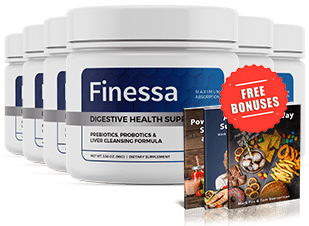
Finessa is built around this connected view. Its eight ingredient groups address liver and bile support, bowel movement, digestive comfort, probiotics, and plant polyphenols. The formula offers a useful way to explain the gut-liver axis, but the supplement is only one part of digestive health and cannot replace diagnosis or foundational habits.
From Meal to Absorption
Digestion begins before food reaches the stomach. Smell, taste, and chewing prepare the body, while stomach acid and enzymes begin breaking nutrients down. In the small intestine, enzymes from the pancreas and bile from the liver help process carbohydrate, protein, and fat so nutrients can cross the intestinal lining.
Dandelion root, milk thistle, and artichoke leaf support the liver-and-bile theme of Finessa. Bile is especially important for fat digestion and the absorption of fat-soluble vitamins. These botanicals are included for normal functional support, not as treatments for liver, pancreas, or gallbladder disease.
The Gut-Liver Axis
Blood leaving much of the digestive tract flows toward the liver through the portal circulation. This gives the liver early access to absorbed nutrients and microbial products. The liver then processes, stores, transforms, or redistributes many substances. Bile travels in the opposite direction, returning liver-made compounds to the intestine.
The intestinal barrier and microbiome influence what reaches the liver, while liver products shape the intestinal environment. That two-way relationship is the gut-liver axis. Finessa reflects the concept by pairing milk thistle, dandelion, and artichoke with probiotics, polyphenols, and prebiotic inulin from dandelion.
The Microbiome's Role
The gut microbiome contains organisms that interact with food components the human digestive system cannot fully break down. Microbes ferment certain fibers and produce short-chain fatty acids and other metabolites. These compounds can support colon cells and participate in immune and metabolic signaling.
Microbiome composition is shaped by long-term diet, medicine exposure, age, environment, sleep, stress, and activity. No single supplement creates a perfect microbiome. Finessa names several probiotic organisms and 5 billion CFU at manufacture, but individual response remains variable and claims should stay broad.
Probiotics, Prebiotics, and Polyphenols
Probiotics are live microorganisms supplied in food or supplements. Prebiotics are substrates that beneficial organisms can use. Polyphenols are diverse plant compounds that microbes transform, while the compounds themselves can influence the microbial community. These categories overlap but are not interchangeable.
Finessa includes a probiotic blend and a polyphenol blend. Dandelion naturally contains inulin, providing a prebiotic component. The combination is conceptually useful because it adds organisms and compounds that can support their environment. Food variety remains essential because whole plants supply a wider spectrum of fibers and polyphenols.
Regularity and Colon Function
The colon absorbs water, compacts waste, hosts dense microbial communities, and moves stool toward elimination. Regularity depends on transit speed, stool water, fiber, physical activity, medications, and individual physiology. A normal pattern differs among people; comfort and consistency matter more than meeting one universal daily number.
Cascara sagrada is included in Finessa to support occasional bowel movement. Because it stimulates the colon, it can also cause cramping, urgency, diarrhea, or electrolyte issues. It should not be used to conceal ongoing constipation or taken in larger servings to force a specific schedule.
Digestive Comfort and the Intestinal Lining
The intestinal lining forms a selective barrier between the contents of the gut and the rest of the body. It absorbs nutrients while participating in immune defense and signaling. Diet, illness, alcohol, medicines, and other factors can influence this environment.
Turmeric and licorice root are included for digestive comfort and support of a balanced response to ordinary stress. These ingredients should not be described as repairing a damaged gut or treating inflammation. Licorice also has important blood-pressure, potassium, fluid-balance, and medication considerations.
Food Patterns That Support Digestive Health
A varied plant intake gives microbes a broad selection of fibers and polyphenols. Vegetables, fruit, beans, lentils, whole grains, nuts, seeds, herbs, and spices all contribute. Fiber should be increased gradually, especially for someone who currently eats very little, because a rapid jump can increase gas and discomfort.
Protein supports tissue maintenance, and dietary fat helps the body absorb fat-soluble nutrients. Fermented foods may contribute live cultures. Water, regular meals, and mindful eating can support comfort. Individual tolerance matters, particularly with diagnosed food allergies, intolerances, or gastrointestinal conditions.
Sleep, Stress, and Movement
The digestive tract is regulated partly through the nervous system. Stress can alter appetite, stomach sensation, and bowel pattern, while poor sleep can affect food choices and energy. Regular movement can support intestinal motility and broader metabolic health.
A ten-minute walk after a meal, a consistent sleep window, and time to eat without rushing may sound less exciting than a supplement, but these habits shape digestive function. Finessa is most useful when it reinforces a routine rather than distracting from these basics.
Using Finessa within the Bigger Picture
Mix one scoop with water or another beverage once daily, preferably in the morning. Keep the serving steady and watch both comfort and tolerance. Do not add another laxative or overlapping licorice product without professional guidance.
Someone using Finessa can track bowel pattern, post-meal heaviness, urgency, and any discomfort. If symptoms become severe or persistent, stop relying on self-observation and seek care. Blood in stool, unexplained weight change, repeated vomiting, faintness, or major abdominal pain require prompt medical attention.
Who Should Ask a Clinician
Pregnant or nursing adults, people taking medication, and those with gastrointestinal, liver, gallbladder, kidney, heart, blood-pressure, or electrolyte conditions should seek individualized advice. A pharmacist can review interactions with diuretics, heart medicines, blood thinners, blood-pressure drugs, laxatives, and other supplements.
This step is not a formality. Multi-ingredient botanical products can create overlapping effects, and digestive symptoms can have causes that a supplement cannot identify. Medical care and supplements have different jobs.
Bottom Line
Finessa provides a practical lens for understanding digestive health as the interaction of bile function, intestinal movement, comfort, and the microbiome. Its botanicals, probiotics, prebiotic compounds, and polyphenols reflect that broad system rather than one isolated digestive step.
The formula may support an adult's daily routine, but long-term digestive health still rests on food variety, fiber, hydration, movement, sleep, stress management, and appropriate care. Used with those priorities and at one scoop daily, Finessa can remain in its proper role: a supportive supplement within a much larger biological and lifestyle picture.